
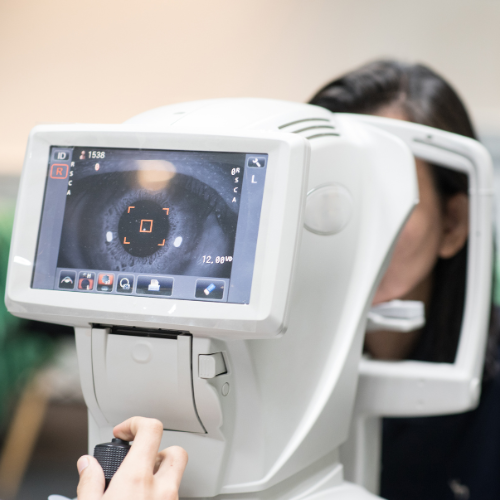
Tailored Treatments & Care for Lasting Eye Health
As caring providers at Niagara Eye Associates, we are devoted to delivering tailored treatment plans and comprehensive eye care services to each valued patient in the Erie, PA area.
Our team specializes in a wide range of services, from standard eye exams to advanced procedures for eye diseases. With a compassionate approach and state-of-the-art technology, rest assured that you’ll receive thorough and accurate assessments for optimal eye health.
Conditions Treated

Dry Eye
Dry eye, often caused by inadequate tear production or rapid tear evaporation, can lead to discomfort, grittiness, pain, and vision disturbances. Factors like age, environmental triggers, medications, and underlying health issues can contribute to this condition.
Treating Dry Eye
- Eye Drops: Our team recommends over-the-counter eye drops to soothe discomfort, providing a natural tear-like lubrication that caters to individual needs.
- Prescription Medications: For more severe cases, potent anti-inflammatory medications or corticosteroid eye drops can be prescribed to combat inflammation and offer lasting relief from dry eye symptoms.
- Punctal Plugs: Utilizing specialized devices inserted into tear ducts, punctal plugs effectively maintain moisture by preventing rapid tear drainage, a suitable option when other treatments fall short.
- Lifestyle Changes: Simple adjustments like reducing screen time, wearing sunglasses outdoors, using humidifiers, and staying hydrated, can be useful in the management of dry eye discomfort.
- Scleral Lenses: Scleral lenses cover the eye, creating a fluid reservoir that fosters hydration.
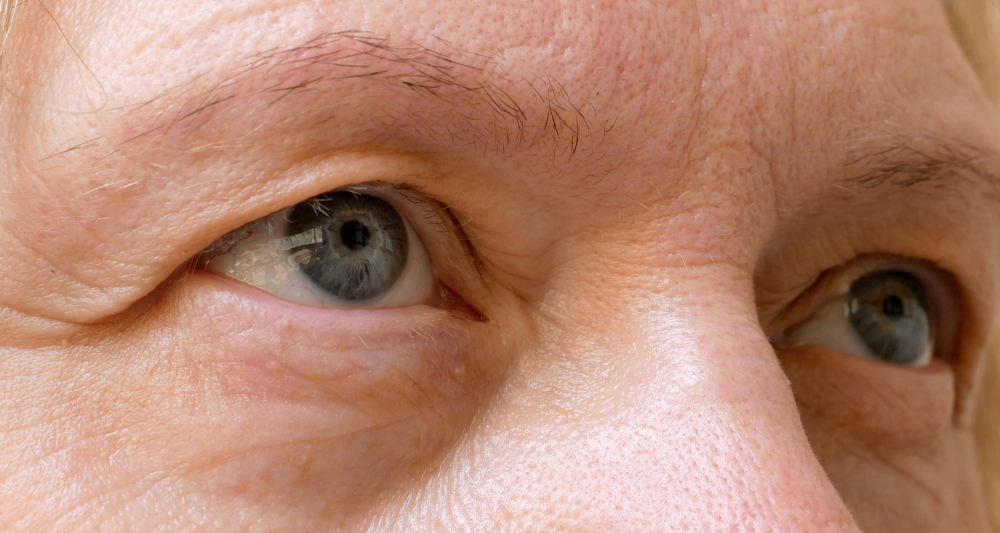
Droopy Eyelids
Treating Droopy Eyelids
Before exploring surgical options, our ophthalmologists may suggest the following non-invasive treatments:
- Eye Exercises: Dedicate time to routinely exercising your eyes to bolster eyelid muscles and mitigate drooping, all while promoting eye health and vitality.
- Warm Compresses: Embrace the soothing comfort of applying a warm, damp compress to your eyes, fostering improved blood circulation and relief from tension.
- Cosmetic Products: Consider the potential benefits of skin creams enriched with retinol to enhance skin elasticity, potentially contributing to a more revitalized appearance.
When noninvasive treatments do not yield significant improvement, we may recommend eyelid surgery, known as blepharoplasty (Link to Procedures), to address your concerns
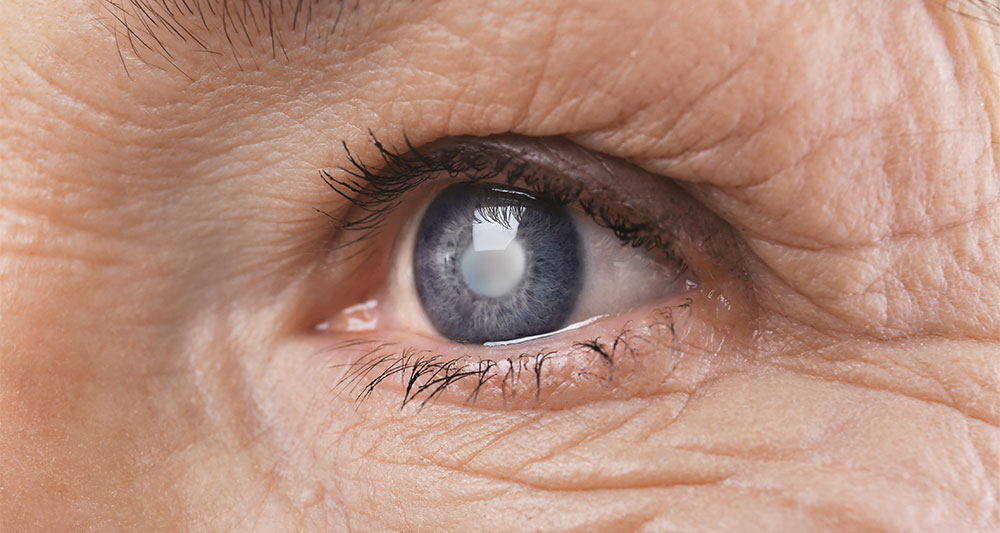
Cataracts
Treating Cataracts
- Anti-Glare Sunglasses & Prescription Glasses: Patients can mitigate the impact of cataract-related vision impairments with these options.
For patients experiencing severe impacts on eyesight from cataracts, cataract surgery (Link to Procedures) is often recommended by our eye doctor to restore vision clarity and improve quality of life.
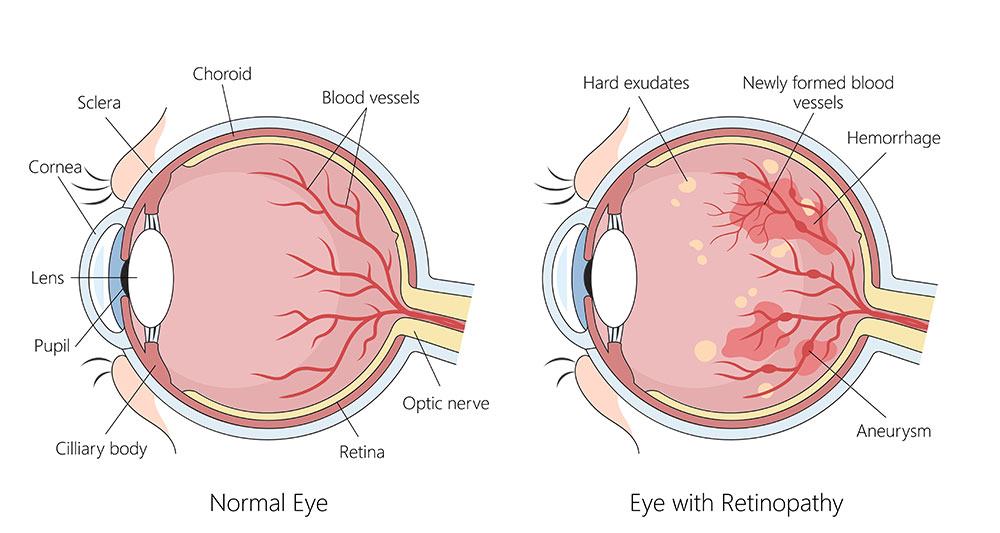
Diabetic Retinopathy
Treating Diabetic Retinopathy
- Injections: Injections of medications into the eye can help reduce swelling and prevent the growth of abnormal blood vessels.
- Properly managing blood sugar levels: Through diet, exercise, and medication, blood sugar level management is essential in slowing the progression of diabetic retinopathy.
In cases where non-surgical options are insufficient, laser surgery may be recommended to seal or destroy leaking blood vessels and prevent further vision loss in patients with diabetic retinopathy.
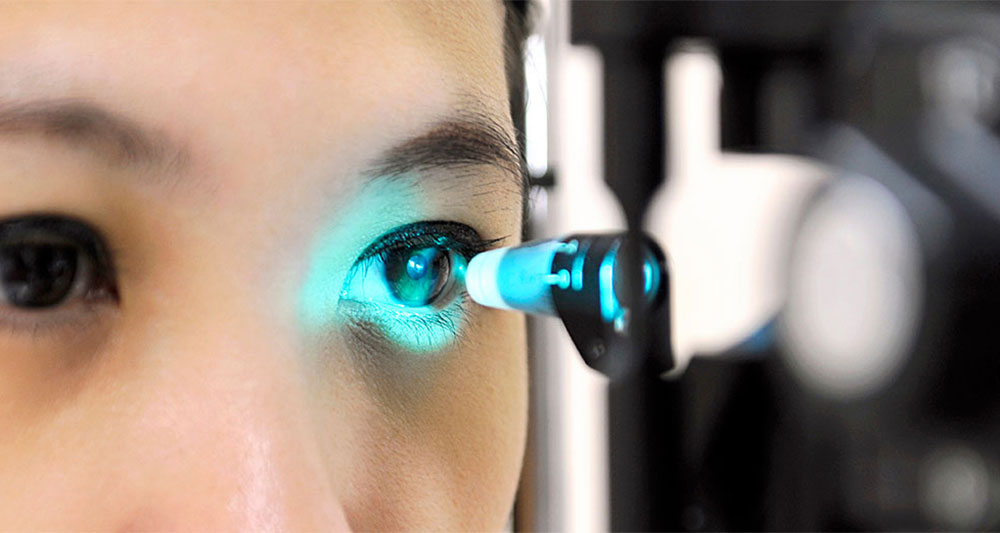
Glaucoma
Treating Glaucoma
- Medications: Medications such as eye drops or oral pills can help reduce intraocular pressure and slow the progression of glaucoma.
- Eye Drops: Daily use of prescribed eye drops can effectively control intraocular pressure and prevent further damage to the optic nerve in patients with glaucoma.
Selective Laser Trabeculoplasty (SLT) is a laser treatment offered at Niagara Eye Associates that can reduce intraocular pressure.
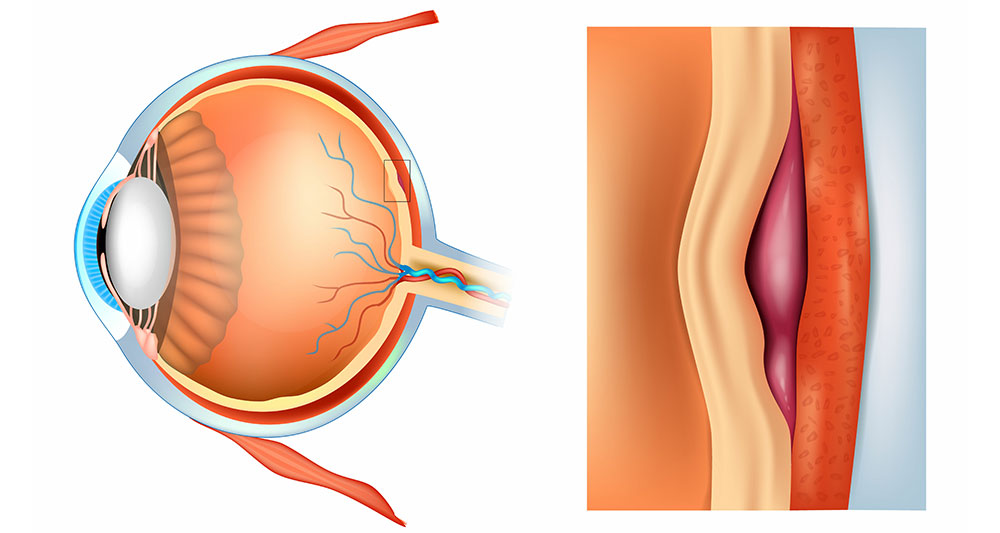
Age-Related Macular Degeneration (ARMD)
Managing ARMD
Early diagnosis through yearly eye exams is crucial for the management of ARMD symptoms as there is no treatment for dry ARMD.
- Vitamins & Supplements: Certain vitamins and supplements like lutein and vitamins E and C may help slow disease progression.
- Glasses & Contacts: Visual aids such as glasses and contacts can assist in improving visual acuity for activities like reading and driving in individuals with ARMD.
Photobiomodulation
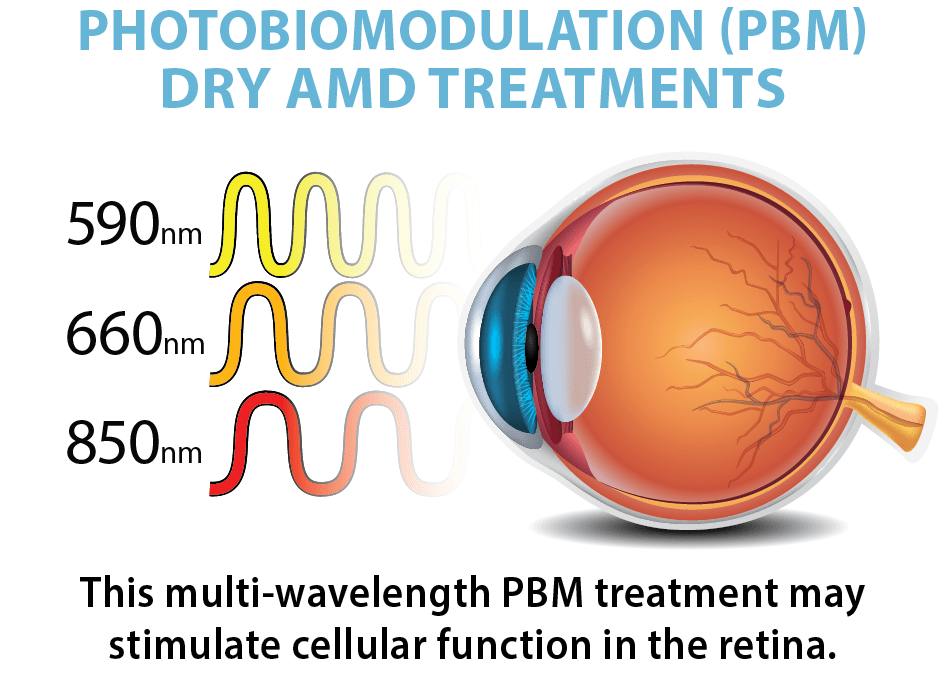
Photobiomodulation (PBM) is a non-invasive light therapy that employs specific wavelengths (typically ~590-850 nm) to stimulate cellular activity, promoting healing and tissue regeneration. This therapy is particularly promising in the field of ophthalmology, especially for improving eye health and function in patients with Dry Age Related Macular Degeneration (AMD).
PBM effectively nudges compromised retinal tissue back toward a normal bioenergetic and vascular state without adding pharmacologic burden. By absorbing low-level red and near-infrared light primarily through cytochrome c oxidase in mitochondria, PBM modulates reactive oxygen species (ROS), increases ATP production, and influences transcription factors involved in inflammatory and survival pathways.
As a result, PBM provides a combination of bioenergetic rescue, anti-inflammatory effects, and microvascular changes, which can significantly enhance ocular health.
Treating with Photobiomodulation Therapy
Our clinic offers Photobiomodulation Therapy as an integral part of comprehensive eye care for conditions such as Dry Age Related Macular Degeneration. This therapy can lead to:
- Therapeutic Light Exposure: Targeted light sessions encourage cellular repair, improve overall ocular health, and upregulate mitochondrial respiratory chain activity and ATP, thereby promoting resilience in RPE and photoreceptors.
- Safe and Painless Treatment: PBM is a gentle procedure requiring no downtime for recovery and is demonstrated to decrease pathologic ROS, mitigating oxidative damage to retinal tissues.
- Holistic Approach: By integrating PBM into treatment plans, we aim to provide a holistic strategy, addressing underlying issues without invasive procedures, while aiming for better retinal sensitivity and overall health.
Dry Age Related Macular Degeneration
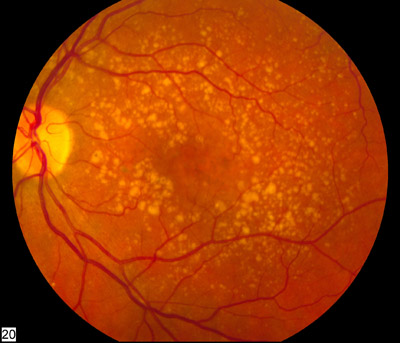
Dry Age Related Macular Degeneration (AMD) is a progressive eye condition affecting the macula, leading to significant vision impairment. This condition is primarily associated with aging and is characterized by various pathophysiological components, including choriocapillaris ischemia and chronic low-grade inflammation.
Managing Dry Age Related Macular Degeneration
While there is currently no cure for Dry AMD, early detection and management strategies are crucial. Our clinic focuses on:
- Nutritional Support: We recommend diets rich in leafy greens and omega-3 fatty acids to support eye health and combat oxidative stress.
- Regular Monitoring: Frequent eye examinations help track AMD progression and adjust treatment plans accordingly.
- Innovative Therapies: We incorporate Photobiomodulation Therapy to enhance retinal function. Clinical trials have shown that PBM can lead to modest improvements in best-corrected visual acuity (BCVA), contrast sensitivity, and slower structural deterioration of the retina, such as reduced drusen volume.
By utilizing a combination of lifestyle modifications, regular monitoring, and advanced therapies like PBM, we strive to help our patients maintain their vision and quality of life. The collective benefits of PBM suggest that while it is not a miracle cure, it genuinely supports the underlying biology of dry AMD, promoting better metabolic support and potentially reducing the progression of the disease.
Comprehensive Eye Exams
Our team knows that these exams aren’t just about vision correction; they are essential for detecting early signs of serious eye diseases like glaucoma, cataracts, and macular degeneration.
Your eye doctor can uncover underlying health issues such as diabetes and high blood pressure during these exams, allowing for timely intervention and prevention. During this exam, your optometrist can also prescribe appropriate eyeglasses and contact lenses if needed.
Newest Developments
A New Option for Dry AMD Care
We’re excited to offer the Valeda® Light Delivery System, the first FDA-authorized treatment for dry age-related macular degeneration (AMD)—the most common form of AMD. Valeda uses gentle light therapy, called photobiomodulation (PBM), to boost the health of retinal cells and help improve vision.
Treatments are quick, comfortable, and non-invasive—no needles, drops, or medications required. Each session lasts less than 5 minutes per eye, with a series of treatments typically spread over a few weeks. Patients can return to normal activities immediately afterward.
If you’ve been diagnosed with dry AMD, ask us if Valeda could be right for you.
Dry Age-Related Macular Degeneration
AMD is a progressive disease of the retina, the part of the eye that detects visual signals and sends them to the brain. It is the leading cause of vision loss in people over 65, and there is no cure.
There are two forms of AMD:
- The dry form accounts for 85 to 90% of AMD cases
- The wet form accounts for 10 to 15% of AMD cases
Benefits of Valeda Treatment1
Treatment with Valeda can help you see more clearly now and in the future. Retinal imaging indicates improvement in eye scans when assessed for drusen (protein deposits observed in eyes with dry AMD).
How Valeda Works
Valeda uses photobiomodulation (PBM), specific wavelengths of low- level light therapy, to stimulate energy production within the eye, resulting in improved cellular health. Healthy retinal cells are essential for maintaining good vision.
Preparing for Your Valeda Treatment
No special preparation is needed before treatment. You will need to remove glasses or contact lenses. There are no eye drops, drugs, or needles used in the treatment. There is no discomfort during or after the treatment.
Contraindications
As a precaution, patients have not been tested and should not be treated with Valeda if they have any known photosensitivity to yellow light, red light, or near-infrared radiation (NIR), or if they have a history of light-activated central nervous system disorders (e.g., epilepsy, migraine).
In addition, patients should not receive treatment within 30 days of using photosensitizing agents (e.g., topicals, injectables) that are affected by 590, 660, and/or 850 nm light before consulting with their physician.
During Your Valeda Treatment
You will be seated comfortably in front of Valeda and guided through each step of the treatment. The active treatment time is less than 5 minutes per eye per session.
You will receive 9 treatments over 3 to 5 weeks during each series. Typically, a series is repeated every 4 months. Your doctor will determine your plan.
After Your Valeda Treatment
Due to the exposure to bright lights, you may experience an afterimage following treatment. This is known as photostress. Normal photostress recovery time is approximately 15-30 seconds. Following treatment, you will be able to resume normal activities.
Valeda Safety
There have been no treatment-related side effects in clinical trials with Valeda.
Consult your eye doctor for an explanation of the benefits and risks associated with Valeda treatment.
Valeda is authorized by the U.S. Food & Drug Administration (FDA) and is available by prescription only.
Valeda Indications for Use
The Valeda Light Delivery System is intended to provide improved visual acuity in patients with best-corrected visual acuity of 20/32 through 20/70 and who have dry age-related macular degeneration (AMD) characterized by:
The presence of at least 3 medium drusen (> 63 μm and ≤ 125 μm in diameter), or large drusen (> 125 μm in diameter), or non-central geographic atrophy, AND
The absence of neovascular maculopathy or center-involving geographic atrophy
After about two years, the Valeda Light Delivery System treatment provides improved mean visual acuity of approximately one line of visual acuity (ETDRS) compared to those not receiving the treatment.
Choose Niagara Eye Associates for personalized eye care that prioritizes your well-being and vision health.
to schedule an appointment!